

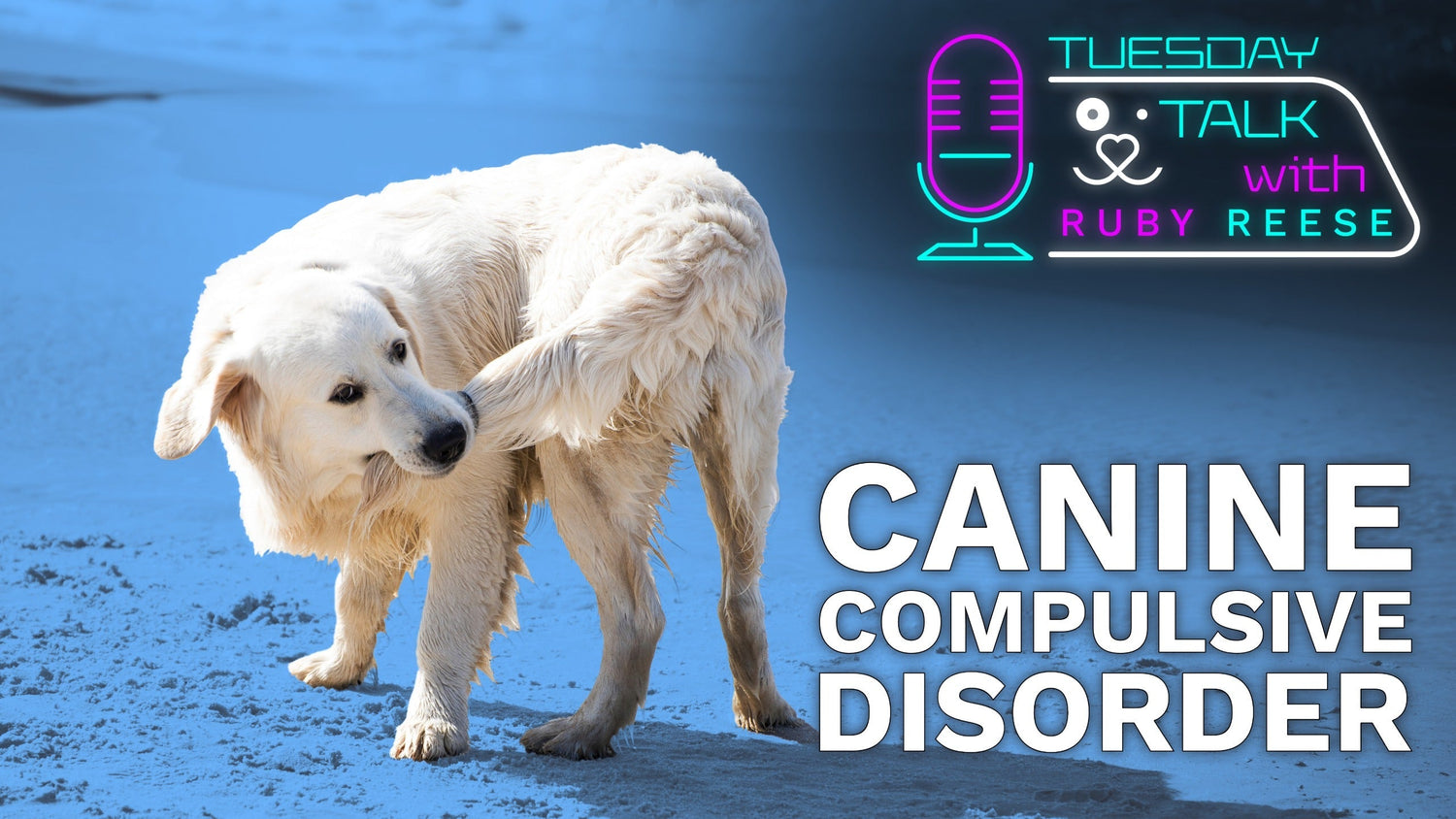
In this episode, Killian and Claire delve into the complexities of canine behaviour, particularly focusing on Canine Compulsive Disorder (CCD). They explore the definition of CCD, its similarities to human obsessive behaviours, and the common signs to look for in dogs. The conversation also touches on breed predispositions, the impact of environment and distress on behaviour, and the importance of seeking professional help. Through real-life case studies, they illustrate the journey of diagnosing and treating CCD, emphasising the need for a multidisciplinary approach and the hope for recovery.
Takeaways
- Canine Compulsive Disorder (CCD) is characterised by repetitive, rigid behaviours that affect a dog's quality of life.
- Understanding the underlying causes of CCD is crucial for effective treatment.
- Certain breeds may be more prone to CCD due to their genetic predispositions.
- Environmental factors and distress can trigger or exacerbate compulsive behaviours in dogs.
- Early intervention is key; the sooner help is sought, the better the outcome.
- A thorough veterinary check is essential to rule out medical issues before diagnosing CCD.
- Behavioural issues can often be a coping mechanism for underlying pain or discomfort.
- Professional guidance from behaviour consultants and veterinarians is vital in managing CCD.
- Medications can play a significant role in treating CCD, especially in severe cases.
- Recovery from CCD is possible, and behaviours can be managed effectively with the right approach.
Find out more about Claire and Snout and About :
Instagram: @snoutandaboutkerry
Website: https://snoutandabout.ie
Please Note: In the interest of keeping episodes conversational and entertaining we will make broad generalisations that may not reflect you, your situation or your pet. If you have any concerns please consult a certified professional who will assess your individual needs.

0 comments