

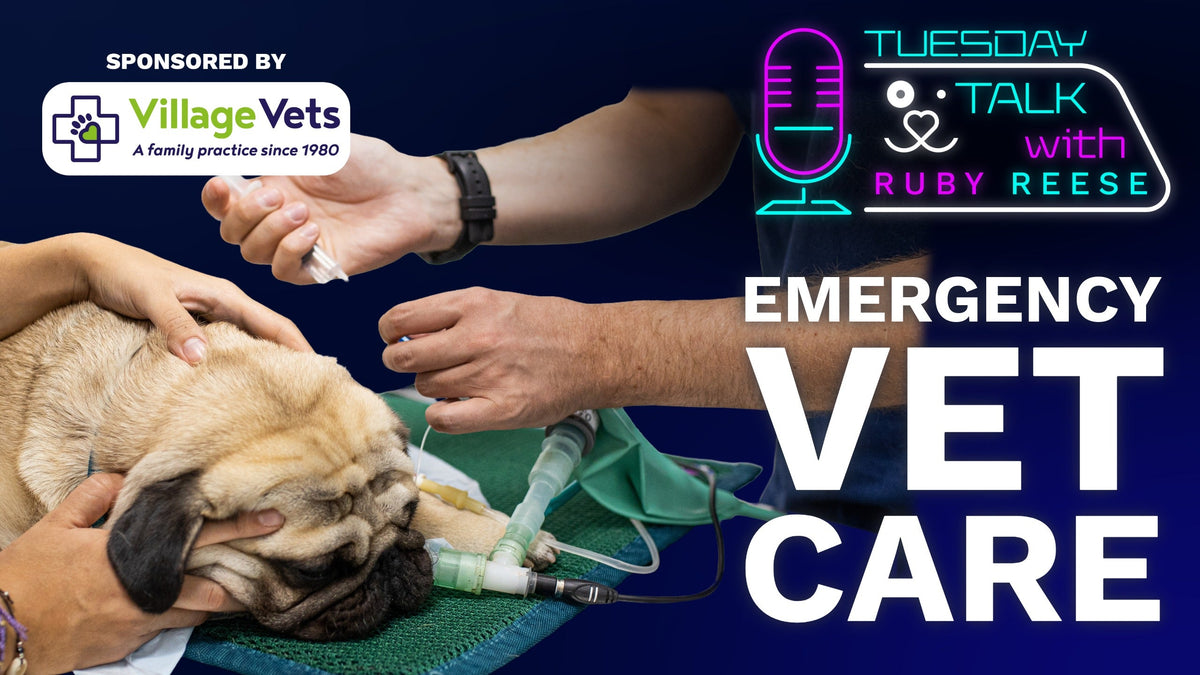
In this episode of Tuesday Talks with Ruby Reese, Killian is joined by Hannah and Molly, registered veterinary nurses and managers at Village Vets Ashbourne, for a genuinely eye-opening conversation about emergency and critical care for pets.
Hannah and Molly explain how out-of-hours veterinary care is structured in Ireland and walk through the wide range of cases they see - from road traffic accidents and toxin ingestion to wasp stings, drug ingestion and post-operative complications. They share a detailed breakdown of the household and seasonal hazards that most commonly bring pets through their doors, including chocolate, xylitol, lilies, grapes, rat poison, human medication and even raw dough.
The conversation covers what to do - and what not to do - in an emergency, why making a pet vomit at home is not always appropriate, and how the team approaches triage from the first phone call. Hannah and Molly also address common myths around vaccines, grapes and chocolate, and make a strong case for taking out pet insurance from day one.
A must-listen episode for every pet owner.
This episode is sponsored by Village Vets, caring for pets across Ireland since 1980. Find out more at villagevets.ie.
Takeaways
- There are three main ways emergency out-of-hours care works in Ireland: dedicated 24-hour hospitals (such as Village Vets Ashbourne, Dundrum and Grey Abbey), GP practices with an on-call vet, and GP clinics that redirect out-of-hours calls to a 24-hour hospital. Every pet owner should know which option their clinic uses.
- Always phone ahead when you think your pet may have an emergency - staff can triage over the phone, advise whether the situation is urgent, and prepare for your arrival.
- Common household toxins include chocolate, xylitol, grapes and raisins, onions, lilies (toxic to cats even through the nose), alcohol, caffeine, human medications, raw dough, rat poison and certain plug-in essential oil diffusers.
- Seasonal hazards increase around Halloween and Christmas - chocolate, raisins in baked goods, alcohol in cream liqueurs and toxic plants such as poinsettia, holly and mistletoe all pose real risks.
- Physical hazards include grass seeds lodged between toes or in ears, insect stings (which can occasionally cause anaphylaxis), fox injuries in outdoor cats and rat poison secondary ingestion.
- Never attempt to make your pet vomit at home without speaking to a vet first. In some cases - such as ingestion of washing powder tablets or certain cardiac conditions - inducing vomiting can cause more harm than good.
- Do not give your pet human medication based on internet searches. Paracetamol is routinely used in dogs under veterinary supervision but is completely toxic to cats. Always call your vet first.
- Vaccines are not optional at any age. Lepto and Parvo are still being seen regularly in emergency settings, and the consequences can be severe. If in doubt about vaccination, ask your vet to weigh up the risks.
- Grapes and raisins can be fatal even in small quantities in some dogs - do not rely on the myth that one grape will not harm a large dog.
- Pet insurance from day one makes a significant difference - many insurers now offer direct claims, meaning owners do not have to pay upfront. Financial limitations should never have to affect the outcome of a pet’s care.
- Always have a second emergency number saved. If you cannot reach your usual clinic, most 24-hour hospitals will see any patient regardless of where they are normally registered.
Websites & Social Media
Village Vets Ashbourne (24-hour emergency hospital)
Website: villagevets.ie/clinics/ashbourne-vets
Instagram: @villagevetsashbourne
Village Vets
Website: villagevets.ie
Instagram: @villagevets.ireland
Please Note: In the interest of keeping episodes conversational and entertaining we will make broad generalisations that may not reflect you, your situation or your pet. If you have any concerns please consult a certified professional who will assess your individual needs.

0 comments